


Why Delayed Reaction Times and Subtle Visual Fatigue are Holding Back Your Pre-Season Performance in North Texas
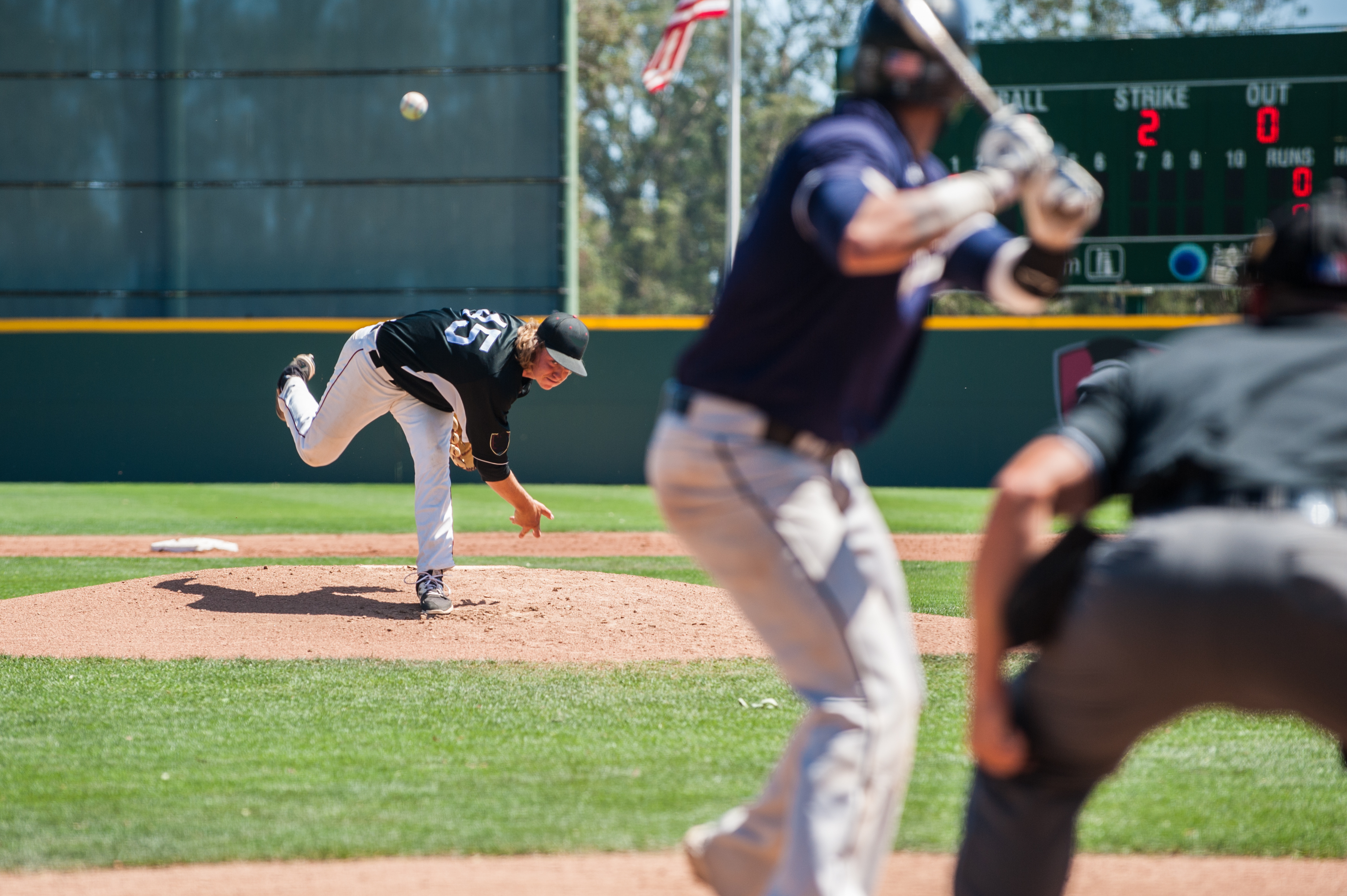
Pre-season training usually focuses on strength, conditioning, mobility, and sport-specific skills. However, performance also depends on how quickly you recognize information, respond to movement, and coordinate what you see with what your body does next. At NeuroSport Elite in Weston, FL, we work with athletes ranging from youth competitors to professionals, developing customized performance plans based on individual goals such as speed, strength, and accuracy.
Reaction Time Matters Before the Season Starts
In fast-paced sports, fractions of a second can affect whether you reach the ball, react to an opponent, change direction, or execute a play correctly. Reaction time involves more than raw speed. Your brain must first recognize relevant information before your body can respond.
Sports vision research emphasizes visual reaction time, eye-hand coordination, depth perception, eye movements, and peripheral awareness as important components of athletic performance.
That makes pre-season an ideal time to identify areas that may be limiting performance before competition intensifies.
Subtle Visual Fatigue Can Be Easy to Miss
Visual fatigue does not always mean obvious blurry vision. An athlete may still see clearly on a standard eye chart while noticing that visual concentration becomes harder late in practice or after repeated drills.
Signs worth paying attention to include:
Slower responses as training sessions progress
Difficulty maintaining focus on rapidly moving targets
Losing track of peripheral movement
Headaches or tired eyes after visually demanding drills
Reduced accuracy when fatigued
Difficulty shifting attention quickly between near and distant targets
Performance that noticeably drops late in practice
These symptoms can have many causes, including general fatigue, inadequate recovery, uncorrected vision problems, concussion history, or other physical factors. They should not automatically be attributed to a single visual issue.
Why Pre-Season Baselines Are Useful
Establishing baseline performance before the competitive season provides something to compare against later. The American Optometric Association notes that baseline visual and visuomotor data can be particularly valuable for tracking athlete performance and evaluating changes after traumatic brain injury.
Athletes who have experienced previous concussions should pay particular attention to changes involving visual comfort, balance, reaction speed, or concentration. Concussion can affect convergence and other aspects of visual function, sometimes contributing to difficulty with sport, school, or work activities.
If you experience new visual symptoms following a head injury, appropriate medical evaluation should come before returning to unrestricted competition.
Performance Requires More Than Strong Muscles
An athlete can be physically strong and well-conditioned while still losing valuable time because movement, coordination, or processing is inefficient.
NeuroSport Elite takes a broader approach to athletic performance in Weston. Services include spinal and extremity adjusting, running gait analysis, weight training and conditioning, brain strengthening and concussion management, soft tissue techniques, laser therapy, and other performance-focused care.
The goal is to identify physical factors that may be keeping an athlete from performing efficiently rather than assuming every limitation can be fixed by simply training harder.
Do Not Ignore an Actual Vision Problem
Performance training does not replace comprehensive eye care. If you experience persistent blurry vision, double vision, headaches with visual tasks, trouble tracking moving objects, or significant difficulty seeing clearly during competition, schedule an eye examination with an eye care professional.
Even small refractive issues can affect sports performance in certain situations. The American Optometric Association notes that appropriate refractive correction, including sport-specific glasses or contact lenses, may improve clarity and reduce the impact of glare for athletes.
If delayed reactions, movement inefficiency, or pre-season performance concerns are keeping you from feeling ready for competition, schedule an evaluation with NeuroSport Elite at Ultimate Sports Institute, 2750 Glades Circle, Suite 100, Weston, FL 33327, or call 954-800-5017 to discuss a personalized plan for improving performance before the season begins.


Powered by: 
Powered by: